
¿Prefiere español? Impresión DTF en español →
What Is DTF Printing?Direct To Film Printing Explained In Plain English: How It Works, What It Prints On And When To Choose It
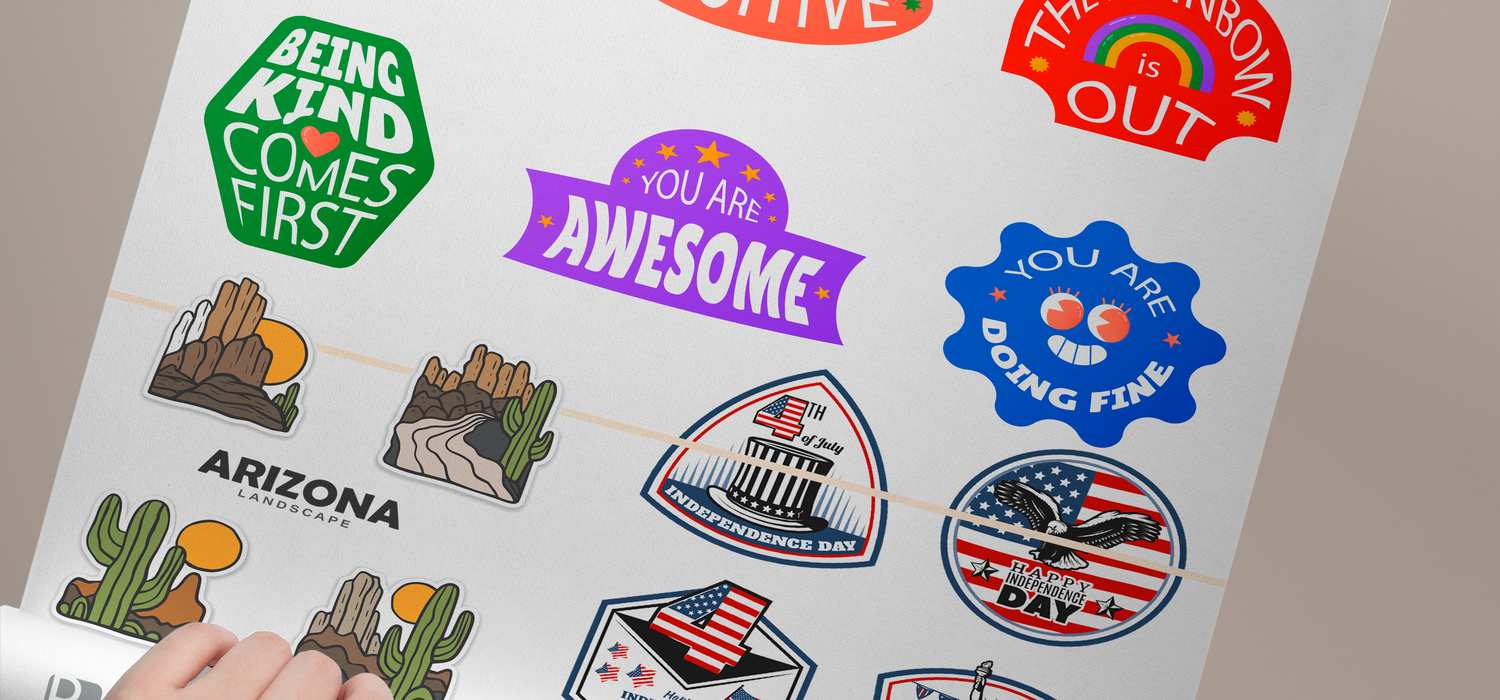
DTF printing (direct to film) is a decoration method that prints your design in full color onto a special film, backs it with a white layer and an adhesive powder, and then heat-presses it onto a shirt, hoodie, hat or bag. Customers like it for its light feel, full color and fine detail, and because it works on cotton, polyester and blends in light or dark colors. This guide explains every step, the terms you will hear and how DTF compares with screen printing and embroidery, from a shop in Tempe, AZ that prints and presses DTF in-house.
Made for first-time buyers
Where To Go Next After You Understand DTF
Once you know what DTF printing is, the next question is usually what to put it on, or whether a different method would suit your design better. These cards lead to our DTF service pages, the items customers print most, and the guides that compare DTF with screen printing and embroidery. See our DTF printing services or ask us for a recommendation.

DTF Printing Services
Our main DTF page: full-color prints on shirts, hoodies, hats and tote bags, printed and pressed in-house with a digital proof on every order.
Main DTF PageIn-HouseSee DTF Printing →
DTF Shirt Printing
Tees, long sleeves, performance shirts and youth sizes with custom DTF prints, from one photo shirt to a full team order with names.
ShirtsCustom PrintsSee DTF Shirts →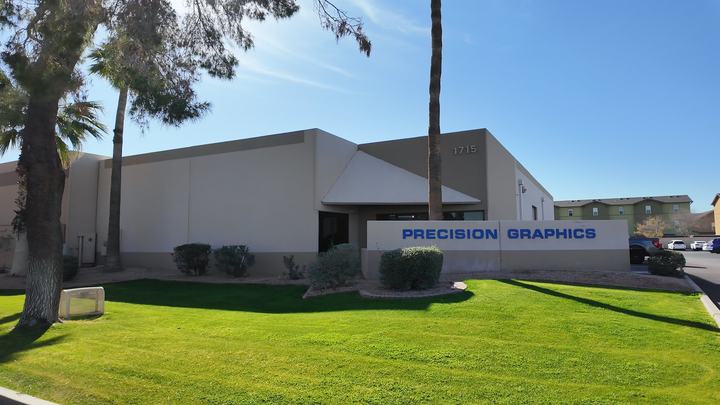
DTF Printing Near Me
Looking for a local DTF shop? We serve Phoenix, Mesa, Chandler, Scottsdale, Gilbert and Glendale from our Tempe shop, with pickup or shipping.
LocalTempe ShopSee Local DTF Printing →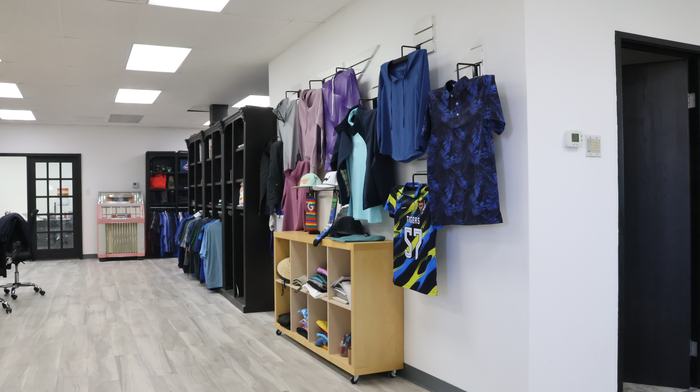
DTF vs Screen Printing
A side-by-side comparison of feel, detail, durability, fabrics and order sizes, with a simple decision guide for your next order.
ComparisonDecision GuideCompare The Methods →
Screen Printing
The classic method for larger runs of a design with a few solid colors, printed on our own presses in the same Tempe shop.
Larger RunsSame ShopSee Screen Printing →
Custom Embroidery
When a polo, cap or jacket needs a stitched, textured logo, embroidery is often the better fit. It is done in the same building.
Stitched LogosPolos And CapsSee Embroidery →
DTF Printed Hoodies
Fleece takes a DTF print well, so hoodies and sweatshirts can carry a full-color chest design, a large back print or a sleeve detail.
FleeceBack PrintsShop Custom Hoodies →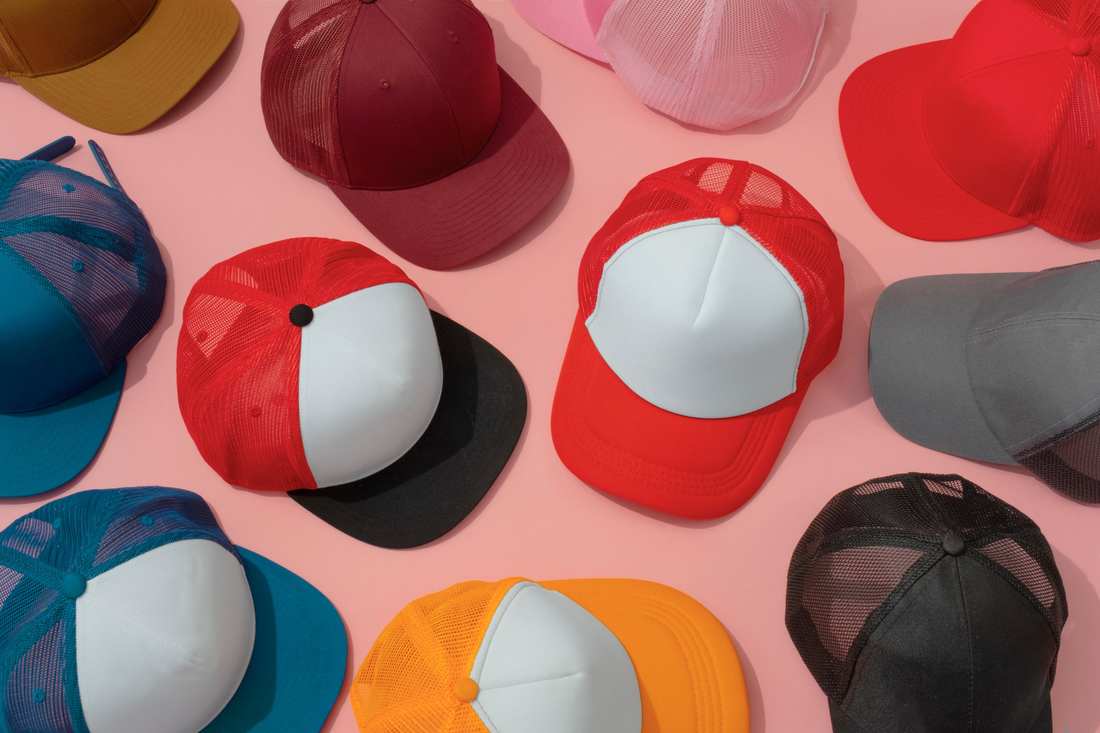
DTF Printed Hats
Full-color logos on the front panel of trucker caps and other hats where the panel can be pressed, a good match for detailed artwork.
Trucker CapsFull ColorShop Custom Hats →
DTF Printed Tote Bags
Cotton and canvas totes with a full-color DTF print for events, shops and giveaways that match your printed shirts.
TotesEventsShop Tote Bags →
Impresión DTF En Español
Prefer to read and order in Spanish? Our Spanish DTF page explains the process and the ordering steps. Hablamos español.
EspañolSame ShopVer Impresión DTF →DTF Printing Terms, Explained
DTF comes with its own vocabulary, and the same words show up on quotes, proofs and product pages. Here is what each term means in plain English, so you know exactly what you are approving.
Direct To Film
The method's full name. Ink goes directly onto a film instead of onto the fabric, and the film carries the design to the garment.
DTFTransfer Film
The clear sheet the design is printed on. It holds the ink, white layer and adhesive until pressing, then it is peeled away.
CarrierWhite Underbase
A layer of white ink printed behind your colors so they stay bright on dark garments and the adhesive has an even base.
Base LayerAdhesive Powder
A fine powder applied while the ink is wet. Once cured, it becomes the thin glue that bonds the print to the fabric.
BondCuring
Heat that melts and sets the adhesive powder on the back of the print, turning wet ink and powder into a finished transfer.
Heat SetHeat Press
The press that applies heat and pressure to bond the transfer to the garment. Each piece is pressed one at a time.
PressingPeel
Removing the film after pressing. The film comes away and the printed design stays on the garment.
FinishGanged Layout
Arranging many designs, sizes or names side by side on one film so nothing is wasted. It happens behind the scenes on your order.
LayoutOrdering DTF Printing In Five Steps
Tell Us About Your Project
Call 480-967-7015 or use Request a Quote with the items, colors, sizes and your date. New to DTF? Ask questions, and we will explain which method suits your design.
Send Your Design
A high-resolution PNG with a transparent background, a PDF or a vector file prints best. A photo, a small image or a sketch is fine too, and we will help prepare it.
Approve Your Digital Proof
See your DTF print before it is made. Nothing is produced until you approve it.
Production
Fast turnaround: most orders are ready in 7–10 business days, depending on order size. We confirm the exact date on your quote.
Pickup Or Shipping
Pick up in Tempe or ship anywhere in the country.
Who Chooses DTF Printing, And Why
DTF tends to win when artwork is detailed or the order is small. Small businesses use it for staff shirts and merch with full-color logos, teams use it for team shirts with a different name on each player, families use it for family reunion shirts with photos, and parents order kids shirts with bright, detailed art. Ready to order? Start at DTF printing, or see DTF shirt printing for shirt styles.
Why Order From Precision Graphics
DTF Printing For Business Logos, Merch And Staff Shirts
For a business, the appeal of DTF is simple: a full-color logo, a gradient or a photo looks the way it was designed, even on a small order, and the same artwork can move from a tee to a hoodie, a cap and a tote without being redrawn for each method. That makes DTF a practical way to test a new merch design, outfit a small team or print a short run for an event before committing to a larger order.
Send the logo file, the items, colors and sizes, and your date. Fast turnaround: most orders are ready in 7–10 business days, depending on order size. Tell us your date and we will confirm it on your quote. Pick up at 1715 W. 4th Street, Tempe, AZ 85281, or we ship anywhere in the U.S.
Precision Graphics has decorated apparel for Arizona businesses and groups since 1981, and we ship DTF printed shirts, hoodies, hats and bags anywhere in the United States. Shirts, hoodies and hats are decorated in-house: Order any quantity from 1 to 10,000+ (orders under 12 pieces include a $30 small-order fee). For tote bags and other accessories, minimums vary by item and are shown on each product, so tell us your quantity and date and we will show you every option.
DTF Printing, Explained Step By Step
What Is DTF Printing? The Short Answer
DTF printing is a way of putting a full-color design on apparel by printing it onto a film first. DTF stands for direct to film. A specialized printer lays your artwork onto a clear film, adds a layer of white ink behind the colors, and an adhesive powder is applied to the wet ink. Heat cures that powder into a thin glue layer, and the finished print is then heat-pressed onto the garment. When the film is peeled away, the design stays on the fabric.
That is the whole idea in one paragraph. The rest of this guide slows it down: why each step exists, what the words on a DTF quote mean, which fabrics and items suit the method, what DTF prints look and feel like, and how to decide between DTF, screen printing and embroidery for a real order. We print and press DTF in-house at 1715 W. 4th Street in Tempe, so the explanations come from the way the work is actually done in a production shop.
What Does DTF Stand For, And Why Is It Called Direct To Film?
The name describes where the ink goes first. In many printing methods ink is pushed straight into the fabric. In DTF the printer puts the ink directly onto a film, which acts as a carrier. The design is printed in reverse, so that it reads correctly once it is flipped onto the garment, and the film holds everything in place until the moment of pressing.
You will see the name written several ways: DTF, direct to film, direct-to-film and DTF printing. They all mean the same process. People also search for DTF print, DTF prints and DTF printed apparel. Those phrases describe the result rather than a different technique.
How DTF Printing Works, Step By Step
Step one is artwork. Your design is prepared at the size it will be printed, with a transparent background so only the design itself is printed. Step two is the print: the printer lays down the colors on the film, then a white layer behind them. On our live DTF page we describe the inks as water-based pigment inks, which is what produces the bright, detailed color DTF is known for.
Step three is the powder. While the ink is still wet, a fine adhesive powder is applied and the excess is removed, so the powder only sticks where there is ink. Step four is curing: heat melts and sets the powder into an even glue layer. Step five is pressing: the transfer is positioned on the garment and a heat press applies heat and pressure. Step six is the peel, when the film comes away and leaves the design bonded to the fabric. Every piece is checked before it is folded and packed.
What Are DTF Transfers?
A DTF transfer is the finished print sitting on its film, after the white layer and adhesive have been cured but before it is pressed. Think of it as a sticker that only bonds with heat and pressure. People search for what are DTF transfers and what is DTF transfers because the word transfer shows up everywhere in DTF, and it helps to know that the transfer is a stage in the process rather than a separate kind of print.
In our shop, the transfer is an in-between step. We print it, press it onto the shirts, hoodies, hats or bags you ordered, and hand you finished, decorated pieces. That way the garment choice, the placement, the pressing and the final check are all handled by the same team that printed the film, and you receive apparel that is ready to wear.
Why DTF Uses A White Layer And An Adhesive Powder
Two ingredients separate DTF from a simple printed image. The first is the white layer. Without it, colors printed on a dark shirt would look dull because the fabric would show through. The white underbase acts like a primer on a wall, so red stays red and yellow stays yellow on black, navy or charcoal. It also gives the adhesive an even surface to grip.
The second ingredient is the adhesive powder. Ink alone will not hold onto fabric through wear and washing, so the powder is melted onto the back of the print during curing. When the transfer meets the garment under the heat press, that adhesive bonds the design into the surface of the fabric. Both steps are invisible on the finished shirt, but they are why a DTF print stays put and stays bright.
What DTF Prints Look And Feel Like
Customers usually describe a well-made DTF print as smooth, thin and flexible. It sits on the surface of the fabric as a single layer, with sharp edges and crisp small text. Colors are bright and fine lines hold up, which is why gradients, shadows and photographs reproduce well. Because the print is one continuous layer, large solid areas feel more noticeable than small logos, so we size and place designs with comfort in mind.
This is where the owner's short description of DTF comes from: a light feel, full color and fine detail. On a small or medium chest print most people stop noticing the print after a few wears. For a very large design covering most of the shirt, we may suggest a different layout, a design with some open space, or screen printing, depending on the artwork and the quantity.
Which Fabrics And Items DTF Works On
One reason DTF has become so popular is its range. It works on cotton, polyester and cotton-poly blends, and on both light and dark garments, which covers most t-shirts, performance shirts, long sleeves, hoodies and crewneck sweatshirts. The same artwork can be pressed on a cotton tee for one person and a polyester performance shirt for another in the same order.
Beyond shirts, DTF works on many hats where the front panel can be pressed flat, and on cotton and canvas tote bags. What it does not suit are fabrics that cannot take the heat and pressure of a press, heavily textured surfaces where the print cannot sit flat, and areas broken up by thick seams, zippers or pockets. We check each item before we quote it and tell you if a different method or placement would work better.
The Advantages Of DTF Printing
Full color without extra setup is the big one. A design with ten colors, a gradient or a photo costs the same effort to set up as a one-color logo, because there are no screens to make for each color. That makes DTF practical for small runs, one-offs and orders where every piece is different, such as a team order with a name and number on each jersey-style shirt.
DTF also handles fine detail and small text well, works on light and dark garments, and covers a wide range of fabrics. Because the artwork is printed digitally, the same design can be resized for adult, youth and toddler garments or a hat panel without redrawing it. For many customers, the result is the easiest way to get a detailed, colorful design onto a mixed order of items.
The Limits Of DTF Printing
No method is right for everything, and an honest explainer should say where DTF is not the first choice. On large orders of a simple design, screen printing is usually more efficient, because once the screens are made each additional shirt prints quickly. Screen printing can also give a softer hand on very large prints, especially with water-based inks, and it suits designs that are meant to look vintage or blend into the fabric.
DTF prints sit on the surface of the fabric, so a very large solid block feels more like a layer than a small logo does. For polos, caps and jackets where a textured, stitched look matters, embroidery is often the better fit. None of these are flaws in DTF. They are simply the cases where another method serves the design better, and we will say so on your quote.
DTF Printing vs Screen Printing, In Brief
Screen printing pushes ink through a mesh stencil, one screen per color, and cures it with heat. It shines on larger runs of a design with a few solid colors. DTF prints the whole design on film at once, so color count does not add setup, and it shines on small runs, photos, gradients and personalized pieces. That is the core difference in one paragraph.
The full comparison, covering feel, durability, fabrics, order size and a decision table, lives on our DTF vs screen printing guide, so we will not repeat it here. If you want to learn the other method in depth, our what is screen printing guide explains it the same way this page explains DTF. Screen printing works for any quantity (orders under 12 pieces include a $30 small-order fee). For small runs, many customers choose DTF for its light feel, full color and fine detail.
DTF Printing vs Embroidery
Embroidery stitches your logo with thread, which gives a raised, textured and very formal look. It is the classic choice for polos, caps, jackets and workwear that should look polished for years. DTF prints the design as a smooth layer, which is better for detail, gradients and photos that thread cannot reproduce.
Many orders use both. A company might embroider the logo on staff polos and caps and use DTF for full-color event tees with the same logo. Because our custom embroidery machines are in the same building as the DTF press, one quote can cover both and the colors can be matched across the order.
Is DTF Printing Durable?
A properly printed, cured and pressed DTF transfer is made to stay bright and flexible through regular wearing and washing. The adhesive and the ink are designed to move with the fabric rather than sit stiff on top of it. Durability depends on the same things it depends on with any decoration: correct curing, correct pressing and reasonable care at home.
We do not publish wash-count promises, because real life varies: water temperature, detergent, dryer heat and how often a shirt is worn all play a part. What we can tell you is how to help any printed garment last: wash it inside out in cold water, skip bleach and fabric softener, dry it on low or hang it to dry, and never iron directly on the print.
What Artwork Works Best For DTF
DTF is forgiving with artwork, but a good file still makes a better print. A high-resolution PNG with a transparent background, a PDF or a vector file is ideal. Photos should be sharp at the size they will be printed. Very thin lines and tiny text are possible, but they read better when they are not smaller than people can see from a normal distance.
If you only have a small image from a website, a photo of a printed piece or a sketch on paper, send it anyway. We will tell you whether it can be printed as is, cleaned up or rebuilt, and you will see the result on a digital proof before anything is printed. Removing a background, adjusting a color that will not show on the garment or adding a thin outline are common fixes we suggest.
Placement And Size On Different Garments
Common DTF placements are the full front, the left chest, the full back, the upper back below the collar and the sleeves. Hats usually take a logo on the front panel, and tote bags take a design centered on one side. Because DTF is printed digitally, each placement can be sized to the garment, so the same logo can be smaller on a youth tee and larger on an adult hoodie.
Placement also has to respect the garment itself. Seams, zippers, pocket edges and hood strings all affect where a print can sit flat. Every position is marked on your proof with its size, so you can see exactly where the design lands before we press anything.
Common Myths About DTF Printing
Myth one: DTF is just a sticker. A DTF print does start on film, but the adhesive bonds it into the surface of the fabric under heat and pressure, and the result is a flexible print rather than a stiff label. Myth two: DTF only works on cotton. It works on cotton, polyester and blends, which is one of its main advantages.
Myth three: DTF is only for tiny orders. It is ideal for small runs, but it also suits larger orders when every piece needs a different name or when the artwork has too many colors for screens to make sense. Myth four: DTF always feels heavy. A well-sized print is thin and flexible, and we adjust size and layout so the print suits the garment.
DTF For Names, Numbers And Personalized Pieces
Personalization is where DTF quietly saves the most effort. Because every design is printed digitally, a team order can carry a different last name and number on each shirt, a staff order can add each person's first name under the logo, and a family order can put a different branch of the family tree on each generation's shirts, all in one run and without separate setup for each variation.
Send one spreadsheet with each name spelled exactly as it should appear, the size for each person and the number if there is one. We lay the names out on the film side by side, proof a sample plus the full list, and press each piece to match. Finished shirts can be bagged and labeled by name, which makes handing out a team or staff order much simpler. For team styles, see custom team shirts.
Questions To Ask Before You Order DTF Printing
A few questions separate a good DTF order from a disappointing one. Is the DTF printed and pressed in-house, or is the film bought from somewhere else and pressed by someone who never saw the file? Will you see a digital proof with the size and placement of every print? Will the shop tell you honestly if screen printing or embroidery would suit your design better? Can you see printed samples or a sample piece before a large run?
Then ask about the garments. Which shirts, hoodies and hats does the shop recommend for your design, in which colors and sizes? How are names and sizes organized and packed? What date can be confirmed on the quote? A shop that answers all of these clearly is usually a shop you can rely on for the reorder too.
When To Choose DTF For Your Order
Choose DTF when your design has many colors, gradients or a photo, when the order is small or every piece is personalized, when you need the same artwork on mixed fabrics or garment colors, or when you want to print a short run before ordering more. Those are the situations where DTF's full color and simple setup make the biggest difference.
Lean toward screen printing for larger runs of a simple design, and toward embroidery for polos, caps and outerwear that need a stitched look. If you are not sure, send the design and the quantity. We will recommend a method with the reasoning behind it, and you can compare options on the same quote.
How Much Does DTF Printing Cost?
There is no single number, because the cost of DTF printing depends on the garments you pick, how many pieces you order, how many locations are printed and how large each print is. A front and back print costs more than a single chest logo, and a premium hoodie costs more than a basic tee.
For shirts, hoodies and hats, order any quantity from 1 to 10,000+ (orders under 12 pieces include a $30 small-order fee); for tote bags and other accessories, minimums vary by item and are shown on each product. The quickest way to a real number is to send your design, a shortlist of garments and colors, an approximate count and your date. Call 480-967-7015 or use Request a Quote, and we will reply with a written quote.
Getting DTF Printing From Our Tempe Shop
Precision Graphics has decorated apparel at 1715 W. 4th Street in Tempe since 1981. DTF printing, screen printing, embroidery and patches all happen in the same building, so the person who answers your questions can recommend the right method rather than the only one available. Every order gets a digital proof before production.
We serve customers across the Phoenix area from our Tempe shop and ship anywhere in the U.S. If you want to see the local details, visit DTF printing near me. To see what we print and how to order, go to DTF printing. Prefer Spanish? Read impresión DTF. Hablamos español.
What Is DTF Printing? Questions, Answered
Keep Learning About DTF And Printing
Ready For Your DTF Printing?
Full-color DTF prints with a light feel and fine detail on shirts, hoodies, hats and tote bags, printed and pressed in our Tempe shop, with a digital proof on every order and pickup or shipping.
